
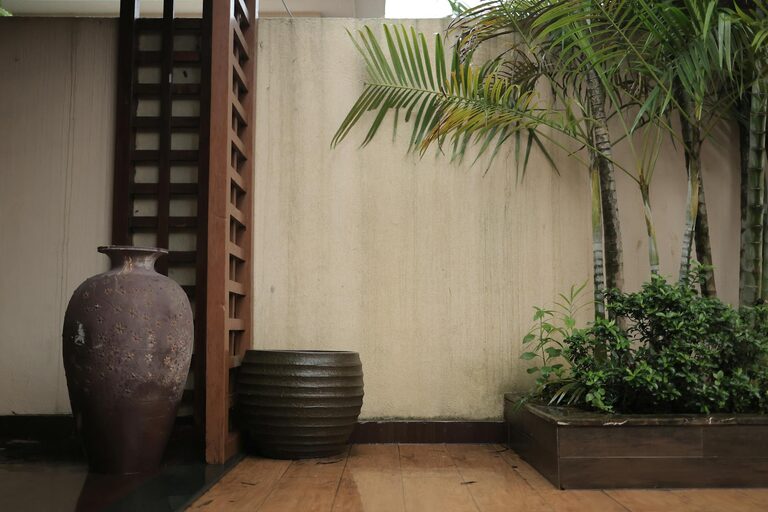
Creating a tranquil garden space at home can be a wonderful way to escape the daily bustle and enjoy the fresh air. Whether you have a small balcony or a large backyard, with some thoughtful planning, your outdoor area can become a sanctuary for relaxation. This guide offers simple, clear tips to help you design a garden that promotes calm and comfort.
Choose the Right Location
Start by selecting the part of your home’s outdoor space best suited for relaxation. Consider areas that receive a good balance of sunlight and shade. Morning sun is often pleasant, while afternoon shade can keep things cool. Look for a quiet spot away from noisy neighbours or busy roads, if possible.
Plan Your Garden Layout
A well-planned layout makes a garden more inviting. Think about the purpose of your space—do you want a place to read quietly, entertain friends, or meditate? Mark out zones for seating, planting, and walking paths to create flow and interest.
– Use curved pathways instead of straight lines to encourage a gentle, peaceful atmosphere.
– Create distinct areas with hedges, trellis, or low fences to define spaces.
– Allow enough room for comfortable seating arrangements.
Select Soothing Colours and Plants
Choose plants that appeal to your senses and create a calming mood. Soft greens and blues are naturally relaxing, along with pastel flowers that don’t overwhelm. Incorporate a variety of textures for visual interest.
Recommended Plants for Relaxation
– Lavender: Known for its calming scent.
– Ferns: Provide lush, green foliage.
– Jasmine: Offers a sweet fragrance.
– Hostas: Great for shady areas with large, decorative leaves.
– Grasses and Bamboo: Add gentle movement with the breeze.
Mix evergreens with seasonal blooms to keep your garden appealing year-round.
Incorporate Comfortable Seating
No relaxing garden is complete without a cosy spot to sit. Choose furniture that encourages lingering and comfort.
– Opt for weather-resistant cushions and fabrics.
– Consider a hammock or a swinging chair for gentle motion.
– Add a small table for drinks or books.
– Position seating to face attractive views within the garden.
Use Water Features for Calmness
The sound of water can reduce stress and mask unwanted noise. Even a small water feature can have a big impact.
– A bubbling fountain adds gentle sound and movement.
– A birdbath attracts wildlife and brings nature closer.
– A small pond can become a focal point for meditation.
Ensure water features are safe and easy to maintain.
Add Outdoor Lighting
Soft lighting extends the usability of your garden into the evening and creates a cosy ambience.
– Use solar-powered lanterns or string lights for eco-friendly illumination.
– Place lights along pathways to guide safely.
– Highlight key garden features like trees or sculptures.
Choose warm white bulbs for a gentle glow instead of harsh bright lights.
Create Privacy and Shelter
Privacy helps you feel secure and undisturbed. Use natural screens or structures to shield your garden from neighbours.
– Plant tall hedges, bamboo or climbing plants on trellis.
– Install pergolas or gazebos for shade and shelter.
– Use outdoor curtains or screens for flexible privacy options.
These features also help with shelter from wind or light rain, making your garden usable in varied weather.
Incorporate Personal Touches
Personalise your garden to reflect your style and make it more inviting.
– Add artwork like sculptures or wind chimes.
– Use colourful pots or garden ornaments.
– Place favourite books or garden journals nearby.
Even small touches make a garden feel like a true retreat.
Maintain Your Garden Regularly
A tidy, well-kept garden promotes relaxation by reducing clutter and stress. Schedule regular watering, weeding, and pruning.
– Use mulch to help retain soil moisture and reduce weeds.
– Deadhead flowers to encourage fresh blooms.
– Clean seating and water features to keep them fresh.
Taking a few minutes weekly ensures your garden stays welcoming.
Final Thoughts
Creating a relaxing outdoor garden space is about balancing nature, comfort, and your personal preferences. By thoughtfully choosing location, plants, seating and decorative elements, you can craft a peaceful haven right at home. Remember, the best garden is one you enjoy spending time in, where you can recharge and connect with the outdoors.
Start small, add gradually, and watch your garden grow into a space that nurtures body and mind.