Creating a relaxing outdoor garden space at home is a wonderful way to connect with nature, reduce stress, and enjoy some peaceful moments. Whether you have a large garden or a small balcony, you can design an area that invites calm and comfort. In this guide, we’ll share practical tips to help you craft your perfect outdoor retreat.
Choose the Right Spot
Before you start planning your garden space, it’s important to assess your available outdoor area. Consider these factors:
– Sunlight: Observe which parts receive the most sunlight and for how long. Some plants and seating areas thrive in full sun, while others do better in shade.
– Privacy: Look for spots that offer natural privacy, such as corners bordered by hedges, fences, or walls.
– Accessibility: Make sure the area is easy to reach from your home to encourage regular use.
– Wind: A sheltered spot can make your garden more comfortable, so consider natural windbreaks or adding screens.
Use Comfortable Seating
Comfortable seating is key to a relaxing garden. Here are ideas to suit different spaces and budgets:
– Benches: A simple wooden or metal bench fits neatly along pathways or under trees.
– Lounge chairs: Perfect for sunbathing or reading, choose weather-resistant cushions.
– Hammocks or swings: These add a playful, calming element.
– Outdoor cushions and rugs: Soft furnishings enhance comfort and invite you to linger.
Think about adding a small table for drinks or books to make your space even more functional.
Incorporate Greenery and Plant Selection
Plants bring life and colour to your garden, helping to create a peaceful atmosphere.
– Choose soothing colours: Shades of green, soft pinks, lavenders, and whites often evoke calm.
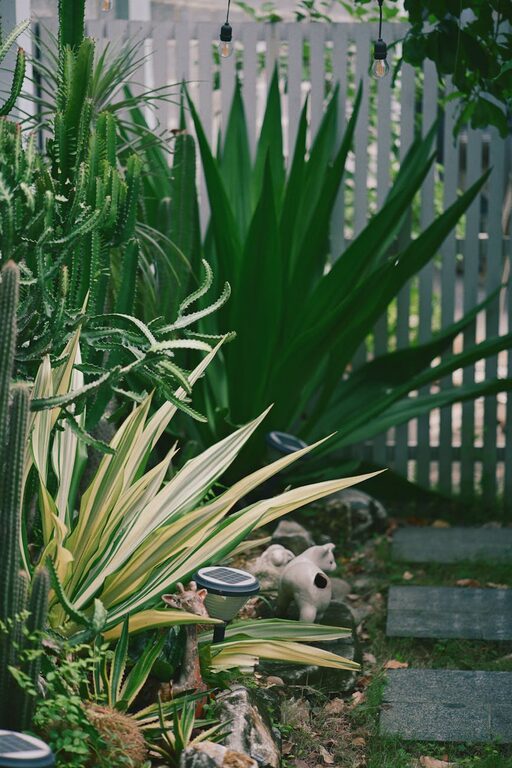
– Use variety: Mix tall plants, shrubs, and ground cover to add texture.
– Scented plants: Lavender, jasmine, and rosemary release gentle fragrances that enhance relaxation.
– Evergreens: These keep your garden vibrant year-round.
– Herbs: Easy to grow and useful for cooking, herbs add both scent and practicality.
Remember to consider maintenance requirements to keep your garden stress-free.
Create Paths and Defined Areas
Paths and clearly defined zones help organise your garden and encourage you to explore or relax in different spots.
– Path materials: Use gravel, stepping stones, wood, or brick depending on your garden style.
– Borders: Low hedges or flower beds can frame areas like seating zones or quiet nooks.
– Zoning: Consider separate spaces for dining, lounging, and planting to give structure to your garden.
A well-thought-out layout maximises the use and enjoyment of your outdoor space.
Add Water Features
The sound of water is known to promote relaxation and help mask unwanted noise.
– Birdbaths: A simple feature that attracts wildlife.
– Small fountains: Choose solar-powered options for easy maintenance.
– Ponds: If you have space, a pond can be a focal point and habitat for frogs and insects.
Water features enhance the sensory experience but require regular care to keep them clean.
Use Lighting Thoughtfully
Proper lighting extends the use of your garden into the evening and creates a cosy mood.
– Solar or low-voltage lights: Place along paths or near seating.
– String lights: Add a magical touch overhead or along fences.
– Lanterns or candles: Give warmth and a welcoming glow.
Be mindful to avoid bright or harsh lighting that disrupts the peaceful atmosphere.
Personalise Your Garden
Adding personal touches makes your garden truly your own.
– Decor: Sculptures, wind chimes, or garden ornaments express your style.
– Colours: Choose pots, cushions, and accessories in your favourite colours.
– Wildlife-friendly elements: Bird feeders or bug hotels invite nature into your space.
These details create a sense of belonging and joy whenever you step outside.
Keep It Low Maintenance
An overly complex garden can become a source of stress rather than relaxation.
– Choose hardy plants: Opt for native or drought-resistant varieties.
– Mulch: Keeps moisture in and reduces weeds.
– Automate watering: Use drip irrigation or soaker hoses when possible.
– Regular tidy-ups: Spend a few minutes each week to keep things neat without it feeling like a chore.
A garden that looks good with minimal effort lets you spend more time enjoying it.
Final Thoughts
Turning your outdoor space into a relaxing garden doesn’t have to be complicated. By carefully selecting the right location, comfortable seating, suitable plants, and thoughtful design features, you can create a sanctuary right at home. Remember to factor in your lifestyle and preferences so your garden space remains inviting and stress-free. Take your time, enjoy the process, and watch your outdoor haven grow.