Creating a home office that feels cosy yet productive can transform the way you work from home. The right environment boosts focus, sparks creativity, and makes long hours more manageable. Whether you have a dedicated room or a small corner, these practical tips will help you design a workspace that invites comfort and encourages efficiency.
1. Choose the Right Location
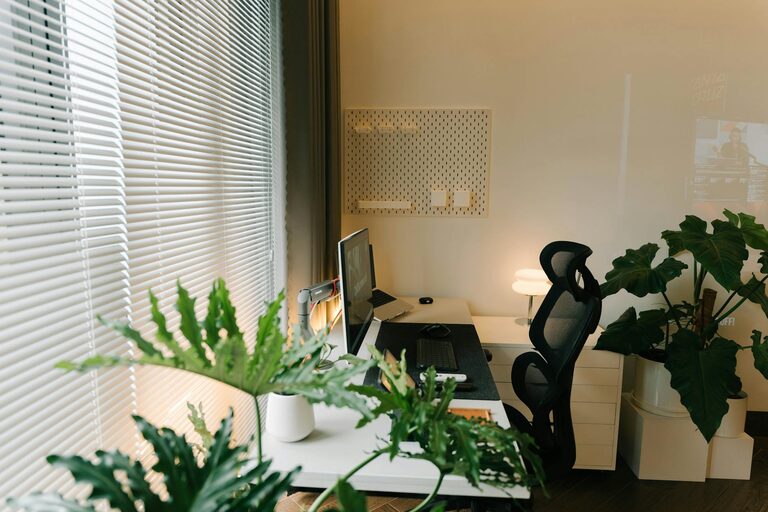
The first step is picking a spot that suits your work style and daily routine. Ideally, choose a quiet area away from distractions, with plenty of natural light. Natural light improves mood and reduces eye strain, so try to position your desk near a window if possible.
If space is limited, a well-defined corner or section of a room can work just as well. Use rugs or room dividers to set your workspace apart and create a sense of separation from the rest of your home.
2. Invest in Comfortable and Supportive Furniture
A good chair and desk are essential for both comfort and productivity. Look for an ergonomic chair that supports your back, encourages good posture, and adjusts to your height. A desk with enough surface area for your computer, notebooks, and other tools keeps things organised and accessible.
Consider standing desks or adjustable options if you prefer alternating your position throughout the day. Remember, comfort reduces fatigue and helps maintain focus over long periods.
3. Declutter and Organise Your Space
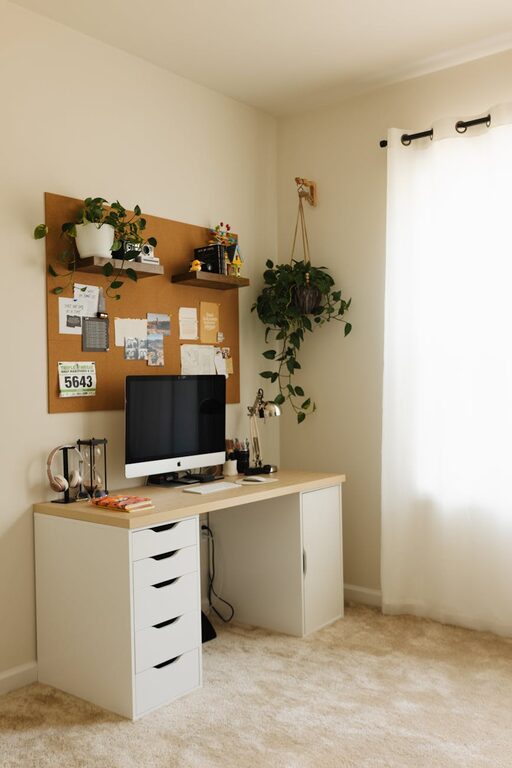
A tidy workspace can work wonders for productivity. Invest in smart storage solutions like shelves, drawers, or boxes to keep paperwork, stationery, and equipment organised.
Use cable organisers to manage wires neatly and avoid a tangled mess. Label files and keep frequently used items within arm’s reach to make your workflow smoother.
4. Add Personal Touches for Cosiness
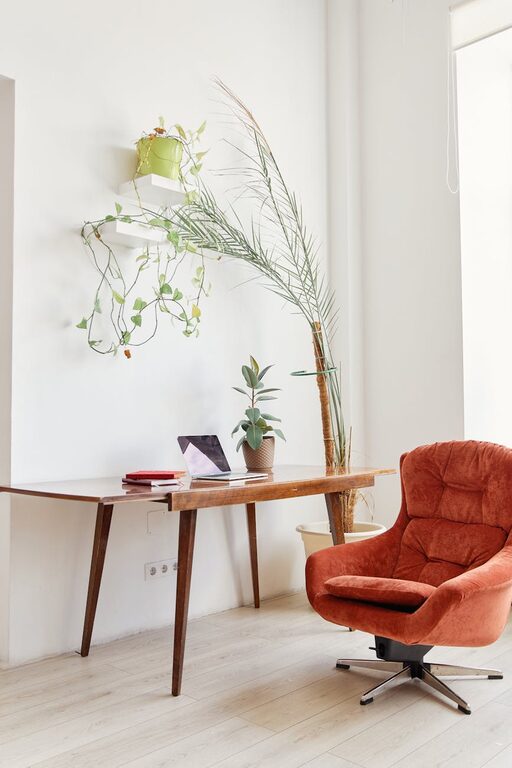
Include elements that make your space feel welcoming and personalised. Soft cushions, a favourite blanket, or an inspiring piece of art can create a warm atmosphere.
Adding plants is a popular choice—they freshen the air and add a splash of colour. Choose low-maintenance options such as snake plants or pothos if you don’t have a green thumb.
5. Optimise Lighting for Work and Ambience
Aside from natural light, good artificial lighting is vital. Use a desk lamp with adjustable brightness to reduce eye strain during late hours. Consider warm-toned bulbs for a cosy feel, while ensuring they provide sufficient illumination for working tasks.
Layer your lighting with overhead lights and accent lamps to create a balanced and inviting environment.
6. Control Noise Levels
Noise can be a major distraction, so find ways to create a quiet zone. If you’re near busy areas, noise-cancelling headphones can help block out interruptions.
Adding soft materials like rugs, curtains, or cushions helps absorb sound and makes the space feel cosier. If silence isn’t possible, try playing instrumental music or white noise to maintain concentration.
7. Maintain Good Air Quality and Temperature
Fresh air boosts concentration and wellbeing. If your room doesn’t have good ventilation, consider a small fan or air purifier.
Temperature is equally important—too hot or too cold can affect your productivity. Use fans, heaters, or adjustable window coverings to keep your workspace comfortable throughout the year.
8. Establish a Clear Boundary Between Work and Relaxation
Especially when your office is in a living space, setting boundaries helps you switch off after work. When you finish, physically tidy your desk or close your laptop to signal the end of the day.
Create habits and routines, such as starting work at the same time daily, to build a productive mindset. Avoid doing leisure activities at your desk to keep the space dedicated to work only.
9. Personalise Your Technology Setup
Having the right tech tools can enhance productivity and comfort. Use a monitor stand to raise your screen to eye level and reduce neck strain.
Arrange keyboards, mice, and chargers ergonomically. Invest in wireless devices if possible to reduce clutter.
Don’t forget to customise software settings—organise files, use productivity apps, and back up your work regularly.
10. Keep the Space Flexible and Evolving
Your needs and preferences might change, so make your home office adaptable. Use lightweight, movable furniture or modular storage systems.
Regularly assess what’s working and tweak your setup to keep the space both cosy and efficient over time.
—
Final Thoughts
Creating a home office that balances comfort with productivity is an achievable goal. With thoughtful layout, ergonomic furniture, and personalised touches, you’ll build a space that inspires you every day. Start small, and gradually add elements that make your environment uniquely yours.
Remember, a cosy and organised workspace is not just about aesthetics—it’s about supporting your work habits and wellbeing. Embrace the process, and enjoy the benefits that come with a thoughtfully created home office.