Creating a comfortable and productive home workspace can make a significant difference to how you work and feel throughout the day. Whether you work remotely full-time or occasionally need a dedicated spot at home, the right environment helps you focus, stay motivated, and maintain your well-being. Here are some useful tips to help you design a home workspace that works for you.
Choose the Right Location
Selecting the best spot for your workspace is the foundation of a productive home office.
– Quiet and Low-Traffic Area: Find a space that is relatively quiet, away from distractions like TV noise or household hustle, so you can concentrate better.
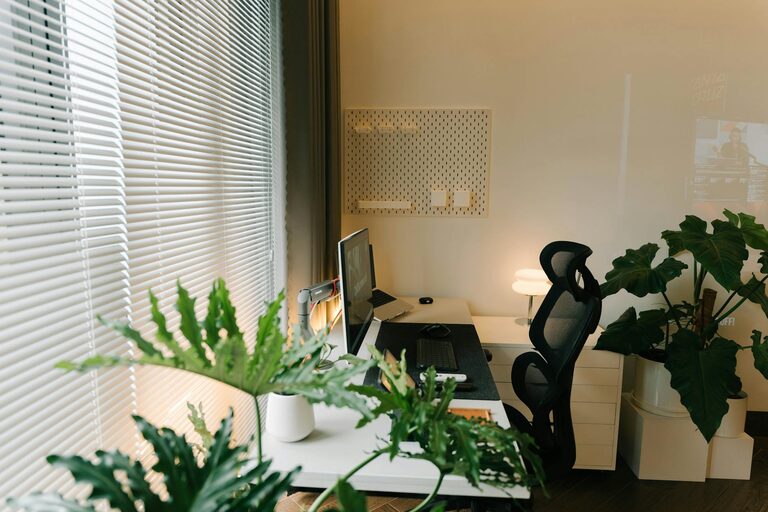
– Natural Light: Position your desk near a window if possible. Natural light improves mood and reduces eye strain.
– Adequate Space: Ensure there’s enough room for your desk, chair, and any essential equipment, plus some free space to avoid feeling cramped.
Invest in Ergonomic Furniture
Comfort is key during long work hours. Investing in ergonomically designed furniture can help you work without unnecessary strain.
– Chair: Choose an adjustable office chair with good lumbar support to maintain healthy posture.
– Desk: Pick a desk at the right height so your arms rest comfortably while typing. If space allows, consider a standing desk or a sit-stand option.
– Monitor Placement: Position your computer screen at eye level and about an arm’s length away to reduce neck and eye strain.
Organise Your Workspace Effectively
An organised workspace helps minimise distractions and keeps you efficient.
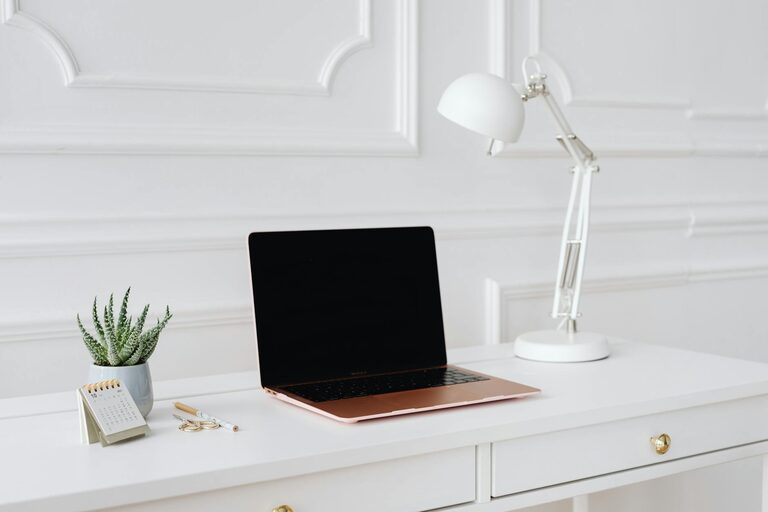
– Declutter Regularly: Keep only essential items on your desk. Use drawers, shelves, or storage boxes to store supplies neatly.
– Use Cable Management: Tangled wires can be distracting and dangerous. Use cable clips or sleeves to keep them tidy.
– Desk Accessories: Utilise organisers, pen holders, and document trays to keep things in order.
Control Lighting and Reduce Glare
Proper lighting plays an important role in productivity and comfort.
– Layer Lighting: Combine natural light with artificial lighting. Use a desk lamp with adjustable brightness for focused tasks.
– Avoid Glare: Position screens and lights to reduce glare, which can cause headaches and eye fatigue.
– Warm Lighting: Choose bulbs that emit softer, warmer light rather than harsh, bright whites, especially for later hours.
Keep It Personal and Pleasant
A workspace that feels welcoming can boost your mood and make work more enjoyable.
– Add Plants: Houseplants improve air quality and create a calming atmosphere.
– Display Personal Items: Photos, artworks, or souvenirs that inspire you add a personal touch.
– Colours: Use colours that you find soothing or energising – blues and greens are known to promote focus and calmness.
Minimise Distractions
To stay productive, you need to minimise interruptions.
– Set Boundaries: Let family or housemates know your work hours and ask for respect during that time.
– Use Headphones: Noise-cancelling headphones can help block out background noise.
– Turn Off Notifications: Silence unnecessary phone or computer notifications while working.
Establish a Routine
A good routine helps you switch into work mode and maintain productivity.
– Designate Work Hours: Keep consistent start and end times to separate work from personal life.
– Breaks Matter: Take regular short breaks to stretch, rest your eyes, and recharge.
– Create a Start Ritual: Whether it’s brewing a cup of tea or organising your desk, a ritual helps your brain prepare for work.
Utilise Technology Wisely
The right tools can enhance your workflow without complicating things.
– Reliable Internet: Ensure you have a strong internet connection to prevent disruptions.
– Useful Apps: Use productivity and organisation apps, like calendars, task managers, or note-taking tools.
– Backup Power: Consider an uninterruptible power supply (UPS) if power cuts are a concern.
Prioritise Health and Wellbeing
Taking care of your health while working at home is vital.
– Movement: Incorporate physical activity during your breaks – stretching, short walks, or desk exercises.
– Hydration and Nutrition: Keep water nearby and eat balanced meals to maintain energy.
– Air Quality: Open windows regularly or use air purifiers to keep fresh air flowing.
Final Thoughts
Your home workspace is a personal space that should support your unique needs and work style. By choosing the right location, investing in ergonomic furniture, organising effectively, and creating a pleasant, distraction-free environment, you can be comfortable and productive every day. Regularly reassess and tweak your setup as needed, because a well-designed workspace evolves along with your work habits. Happy working!