
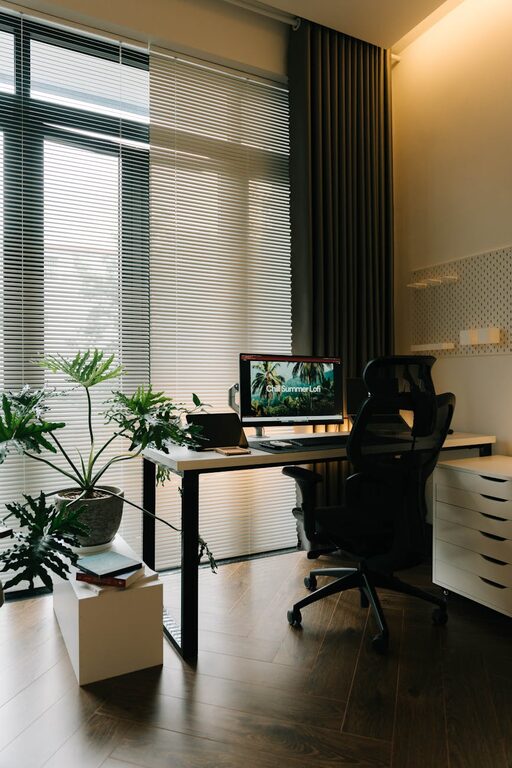
Creating a home office that strikes the right balance between relaxation and productivity is essential for anyone working remotely or running a business from home. A well-designed workspace can improve focus, reduce stress, and make your day-to-day tasks more enjoyable. Here are some helpful tips to guide you through setting up a home office environment that supports both calmness and efficiency.
Choose the Right Location
Select a Quiet Spot
Identify a part of your home that is quiet and free from distractions. Ideally, it should be separated from noisy household areas like the kitchen or living room. A calm atmosphere is crucial for concentration and reducing stress.
Consider Natural Light
Place your desk near a window if possible. Natural daylight can boost mood and productivity. Avoid placing your screen where glare can cause discomfort; instead, position your desk to benefit from soft, indirect light.
Invest in Comfortable Furniture
Ergonomic Chair and Desk
Invest in a good-quality office chair that supports your back and promotes good posture. Adjustable height and lumbar support are important features. Pair this with a desk at the right height to avoid strain while working.
Add a Footrest or Cushion
If your feet do not comfortably touch the floor, consider a footrest to improve circulation. A cushion or lumbar support pillow can also enhance comfort during long sessions.
Organise Your Workspace
Declutter Regularly
Keep your desk tidy by limiting items to essentials only. Use cable organisers to manage cords and prevent clutter. A clean workspace helps clear your mind and increases focus.
Storage Solutions
Use drawers, shelves, or filing cabinets to store paperwork and supplies. Labelled boxes or organisers can keep everything neat and easy to find, saving time and stress.
Create a Calming Atmosphere
Use Soothing Colours
Choose soft, neutral colours or pastels for your walls and decor. Shades like light blue, green or beige can create a peaceful environment, helping to reduce anxiety.
Add Personal Touches
Incorporate items that bring you comfort and joy, such as plants, artwork, or photos. Greenery, in particular, has been shown to improve mood and air quality.
Manage Noise Levels
If external noise is unavoidable, consider installing soundproofing materials or using noise-cancelling headphones. Playing gentle background music or white noise can also help mask distractions and enhance focus.
Optimise Lighting
Layered Lighting
In addition to natural light, ensure you have layered lighting – ambient, task, and accent lights. A desk lamp with adjustable brightness is helpful for detailed work without straining your eyes.
Avoid Harsh Fluorescent Lights
Instead, opt for warm or daylight LED bulbs. These provide consistent lighting that is easier on the eyes and helps prevent fatigue.
Embrace Technology Wisely
Reliable Equipment
Ensure your computer, internet connection, and peripherals are reliable and up-to-date. Slow or faulty equipment can increase frustration and hinder productivity.
Manage Notifications
Turn off non-essential notifications during work hours to minimise interruptions. Consider using apps that help you focus by blocking distracting sites temporarily.
Establish Daily Routines
Set Working Hours
Define clear working times to help separate professional and personal life. This routine encourages discipline and reduces the risk of overworking or burnout.
Take Breaks
Regular breaks are vital for maintaining productivity and well-being. Use methods like the Pomodoro Technique—working for 25 minutes, then taking a 5-minute break—to stay refreshed.
Incorporate Movement and Relaxation
Stretch and Move
Include simple stretches or short walks in your routine to relieve muscle tension and boost energy. Standing desks or adjustable sit-stand workstations can also promote healthier posture.
Create a Relaxation Corner
If space allows, set up a small area for relaxation with a comfortable chair or cushions. Use this space to meditate, read, or simply unwind during breaks.
—
By thoughtfully combining comfort, organisation, and personal style, your home office can become a space that nurtures both productivity and relaxation. Remember, creating the perfect environment may take some time and adjustment, so be patient and stay open to changes that best support your working style.