
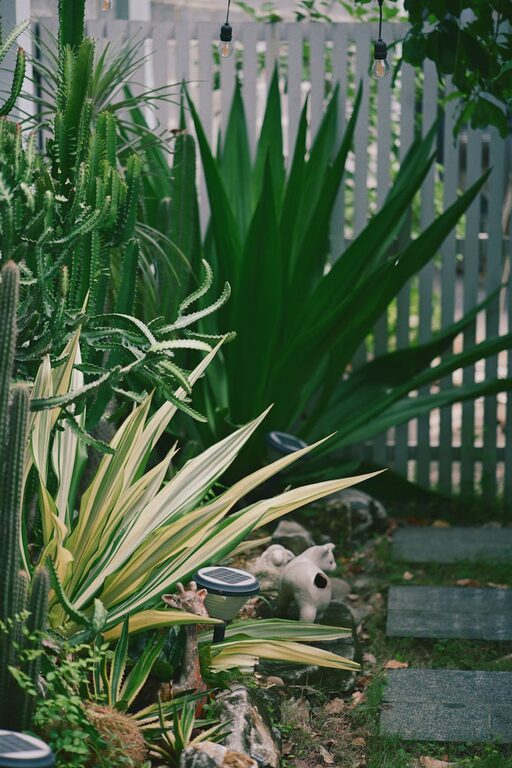
Creating a peaceful garden space at home can offer a wonderful sanctuary away from the stresses of daily life. Whether you have a large garden or a small balcony, thoughtful planning and a few simple touches can transform your outdoor area into a relaxing retreat. Here are some practical tips to help you design and enjoy your own tranquil garden space.
Choose a Calm Colour Palette
Colour plays an important role in setting the mood of your garden. Soft, natural colours tend to create a soothing atmosphere. Consider planting a mix of greenery with subtle accents in shades of lavender, white, pastel pink, or blue. Avoid overly bright or clashing colours that can feel energising rather than calming.
Incorporate Comfortable Seating
Relaxation often centres around comfortable seating. Think about benches, hammocks, or soft garden chairs where you can unwind. Outdoor cushions and throws provide extra comfort and warmth, especially on cooler days or evenings. Position your seating to take advantage of views or to catch a pleasant breeze.
Add Water Features for Soothing Sounds
The gentle sound of water can be incredibly calming. If space allows, install a small pond, fountain, or birdbath. The trickle of water encourages a peaceful environment and can help mask background noise, making your garden more serene.
Use Plants to Create Privacy and Shade
Plants aren’t just decorative; they also help define your space and provide privacy. Tall shrubs, climbing vines, or bamboo screens can shield your garden from neighbours or passing traffic. Strategically placed trees or pergolas can offer welcome shade on sunny days, making your garden comfortable year-round.
Bring in Natural Materials
Materials like wood, stone, and natural fibres blend seamlessly into garden settings, adding warmth and texture. Consider wooden decking or stone pathways to create a natural flow through your garden. Jute or cotton cushions and rugs can complete the cosy, organic feel.
Create Zones for Different Activities
Your garden can serve multiple purposes. Designate areas for reading, dining, meditation, or gardening itself. Using planters, hedges, or decorative screens can help define these zones without making the space feel cramped.
Use Soft Lighting for Evening Relaxation
Lighting is key to extending the usability of your garden after dark. Soft, warm lighting such as fairy lights, lanterns, or solar-powered garden lights creates a gentle glow. Avoid harsh overhead lights that can disrupt the relaxing mood.
Incorporate Aromatic Plants
Fragrant herbs, flowers, or shrubs add a sensory dimension to your garden, encouraging calmness. Lavender, rosemary, jasmine, and mint are popular choices that smell delightful and can also attract pollinators like bees and butterflies.
Keep Maintenance Simple
A high-maintenance garden can become a source of stress rather than relaxation. Choose plants suited to your climate and soil that require minimal care. Group plants with similar water and light needs together, and opt for hardy, perennial varieties.
Add Personal Touches
Include elements that make your garden feel like your own special space. This could be artwork, sculptures, wind chimes, or a favourite book resting on your chair. Such touches make the garden inviting and uniquely yours.
Plan for All Seasons
A relaxing garden should offer enjoyment throughout the year. Consider planting evergreens or winter-flowering plants to bring colour in colder months. A garden heater or cosy blankets can allow you to spend time outside even in chillier weather.
—
Creating a garden that helps you relax need not be complicated. By focusing on comfort, natural materials, and simplicity, you can develop a peaceful outdoor space that refreshes your mind and body. Whether it’s a quiet nook for morning coffee or a haven for afternoon reading, your garden can provide a welcome escape whenever you need it. Happy gardening!